How Lemonade Is Rewriting the Rules of Insurance Marketing
Executive Summary
Lemonade isn’t just selling insurance, it’s redefining how the next generation expects it to look, feel, and work. With a digital-first UX, platform-native voice, and values-driven tone, it's attracting first-time buyers others can’t reach.
Yet beneath their humor and pink soda mascots, there is a sharp growth strategy. Their content is built for sharing, not just selling. Their platform choices reflect intent over trend-chasing. Their pricing and UX are built for speed.
But there’s still white space for smart competitors: follower growth trails peers, influencer marketing is underleveraged, and paid creative doesn’t fully tap into Lemonade’s distinct personality.
This teardown unpacks the tactics, gaps, and growth levers behind one of insurance’s most talked-about brands.
Key takeaways
- Top 3 value drivers: Ease of use, price, and values (per user feedback)
- Efficient spender: $53M in digital paid media beats State Farm’s $262M on targeting & tone
- Speed is the new differentiator: Lemonade's 90-second sign-up and 3-second claims process redefine what “fast” means in insurance
- Transparency builds trust: “We suck, sometimes” isn’t just a headline, it’s a strategy
- Purpose drives loyalty: 87% of customers are first-time buyers; Giveback seals the deal
- Legacy opportunity: Embedded products, platform-native content, and bold tone aren’t out of reach
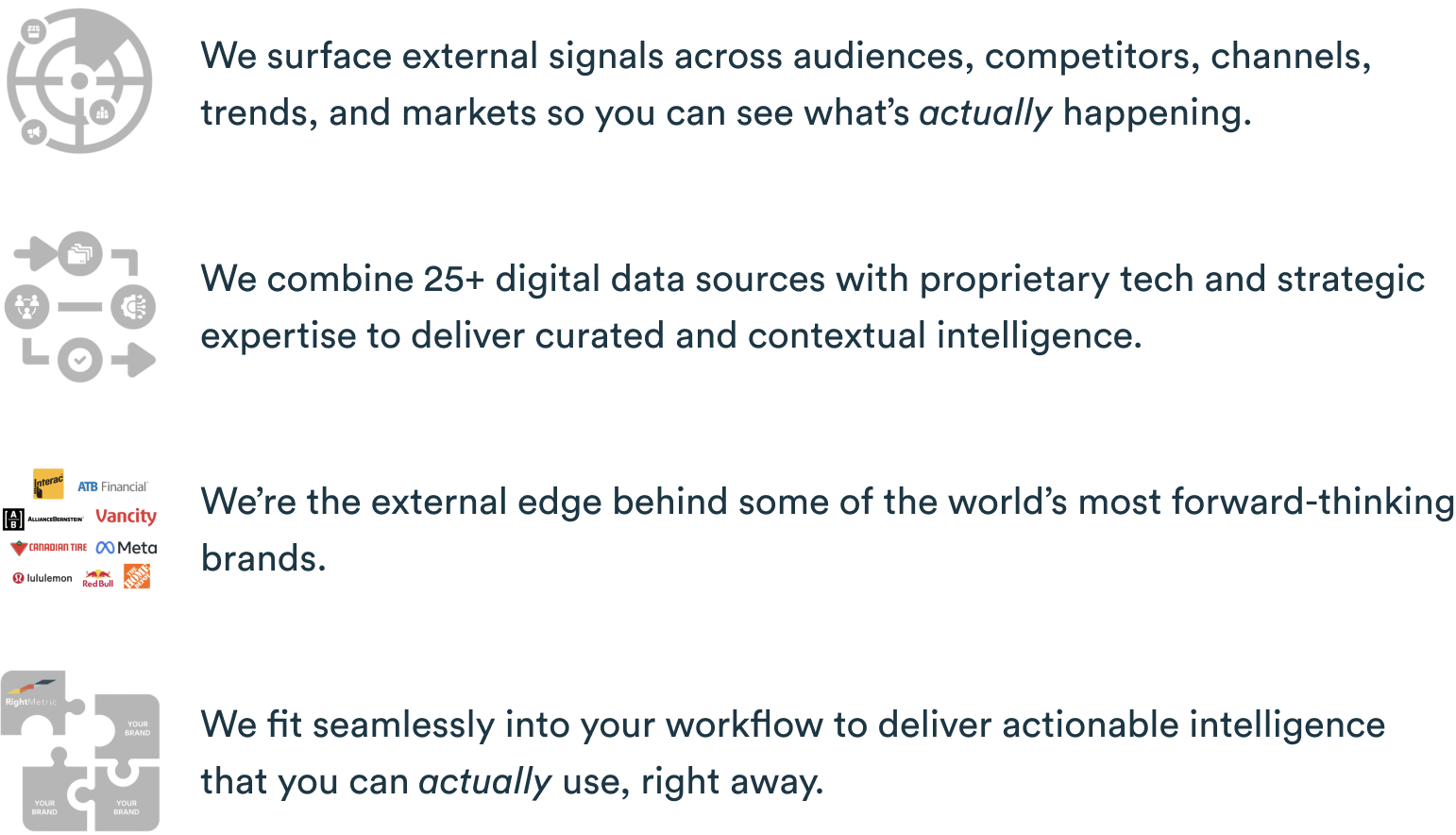
Rightmetric Is An Outsight Partner That Brings Clarity To The External Landscape So You Can Lead With Confidence.
Reverse Engineering Lemonadeʼs Digital Playbook
In 2025, the insurance industry is being reshaped by digital-native challengers like Lemonade.
With sleek UX, radical transparency, and a direct-to-consumer model, Lemonade is capturing attention (and market share) at a pace legacy brands can’t ignore.
In a category long dominated by legacy thinking, Lemonade broke through the US with just $50M in digital marketing spend by mastering the art of modern brand-building. What can financial marketers/ insurers learn from its D2C strategy?
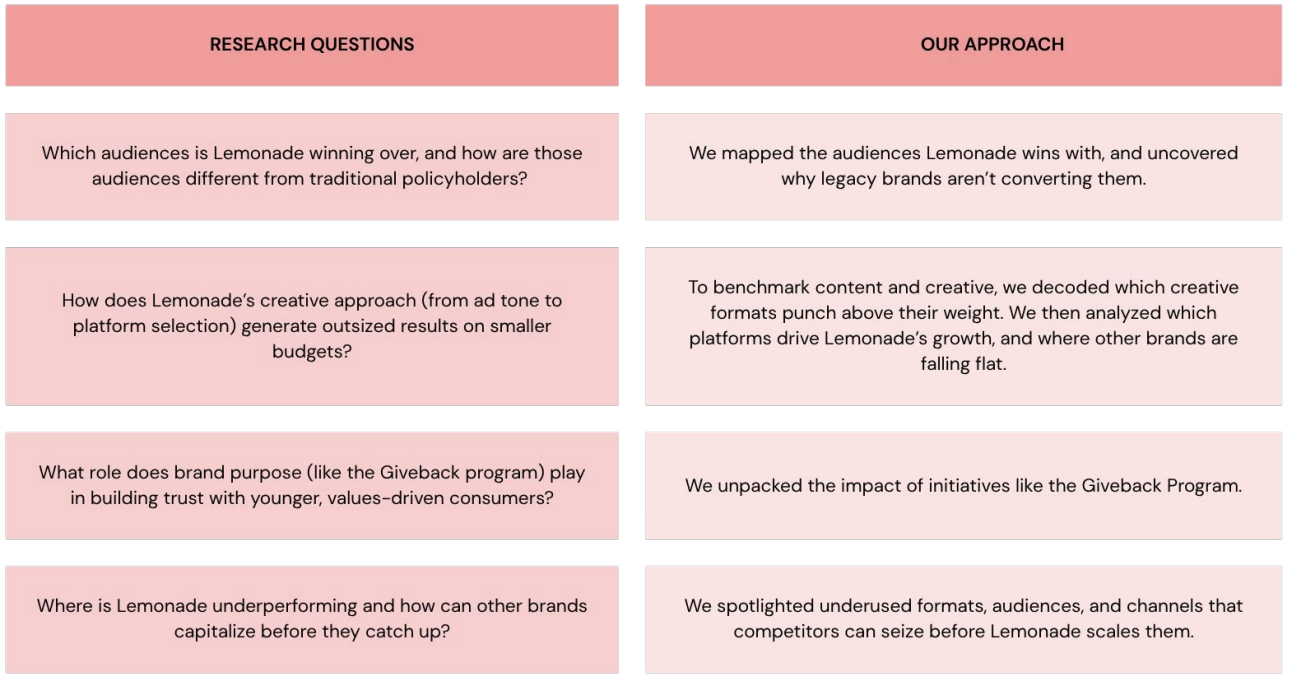
We reverse-engineered Lemonade’s success using the same proprietary methods we use to help our clients grow.
Who is Lemonade?
Lemonade is a digital-first insurance company built for the mobile generation. Founded in 2015, it disrupted a centuries-old industry by replacing agents and paperwork with AI and apps. From renters and homeowners to pet and term life coverage, Lemonade offers policies that are fast to buy, easy to manage, and surprisingly affordable often starting at just $5/month.
But the tech is only half the story. Lemonade pairs automation with radical transparency, donating leftover premiums to charity and openly publishing its mistakes. The brand leads with humor, simplicity, and cultural fluency, building trust by acting less like an insurance company and more like a modern lifestyle brand.
Today, Lemonade operates in the U.S. and Europe and serves over 2 million cstomers . Its model is efficient and emotionally intelligent, proving that even insurance can spark loyalty when it feels like it gets you
Lemonadeʼs Top Features
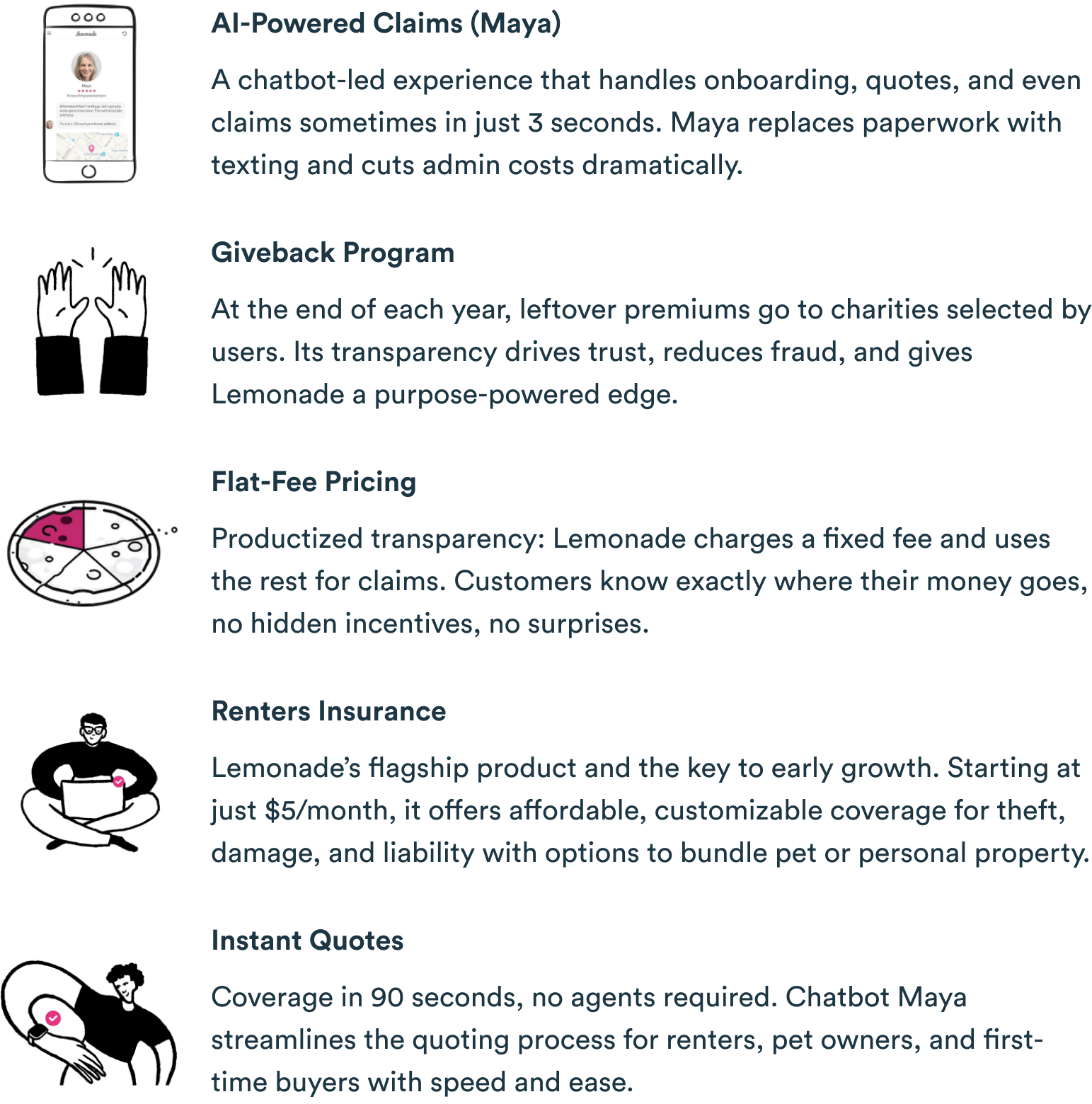
Beyond renters, Lemonade offers Pet Health, Homeowners, Term Life, and Usage-Based Car Insurance, all accessible through one app and unified by a design language that prioritizes ease, clarity, and digital-native behavior. From gamified safe-driving incentives to no-medical-exam life policies, every new product expands Lemonade’s appeal while staying true to its direct-to-consumer DNA.
Lemonade’s mobile experience is frictionless by design, and users are rewarding it. With a 4.86-star app store rating across 80K+ reviews and over 577K monthly active users1 , their app pairs instant claims with a minimalist interface that resonates with Gen Z and Millennial behavior.
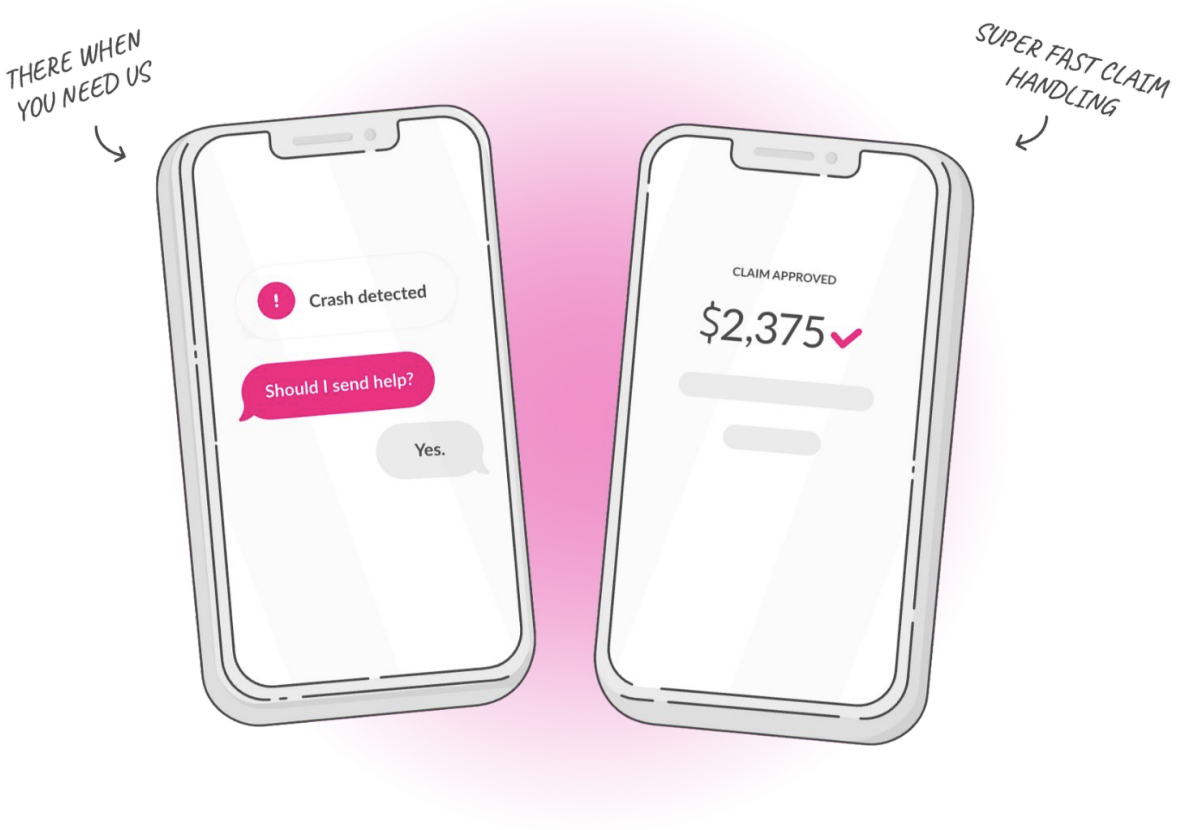
Average session times are short (53 seconds), but engagement is sticky, pointing to a product built for speed, clarity, and trust in high-stakes moments like crashes and claims.
App performance metrics reflect modeled estimates of mobile usage trends as of May 2025. Data is based on third-party analysis and may not align precisely with internal company reporting.
Lemonade’s Audience
Lemonade isn’t pulling from the same pool as legacy brands.
87% of their customers are buying insurance for the first time1 , a striking stat that reframes who the competition really is. They’re not just converting from State Farm or Allstate. They’re unlocking new demand entirely.
These are digitally fluent, values-driven, builder-minded consumers. They grew up with subscription models, one-click checkouts, and brands that speak their language. They don’t want paperwork. They want clarity.
Over the next few slides, we’ll break down the key audience segments driving Lemonade’s growth, from Future Finance Heads to Startup Realists, and what you need to know if you want to reach them first.

These clusters reveal Lemonade’s audience isn’t just young, they’re digital-first, financially fluent, and expect products to match their pace.
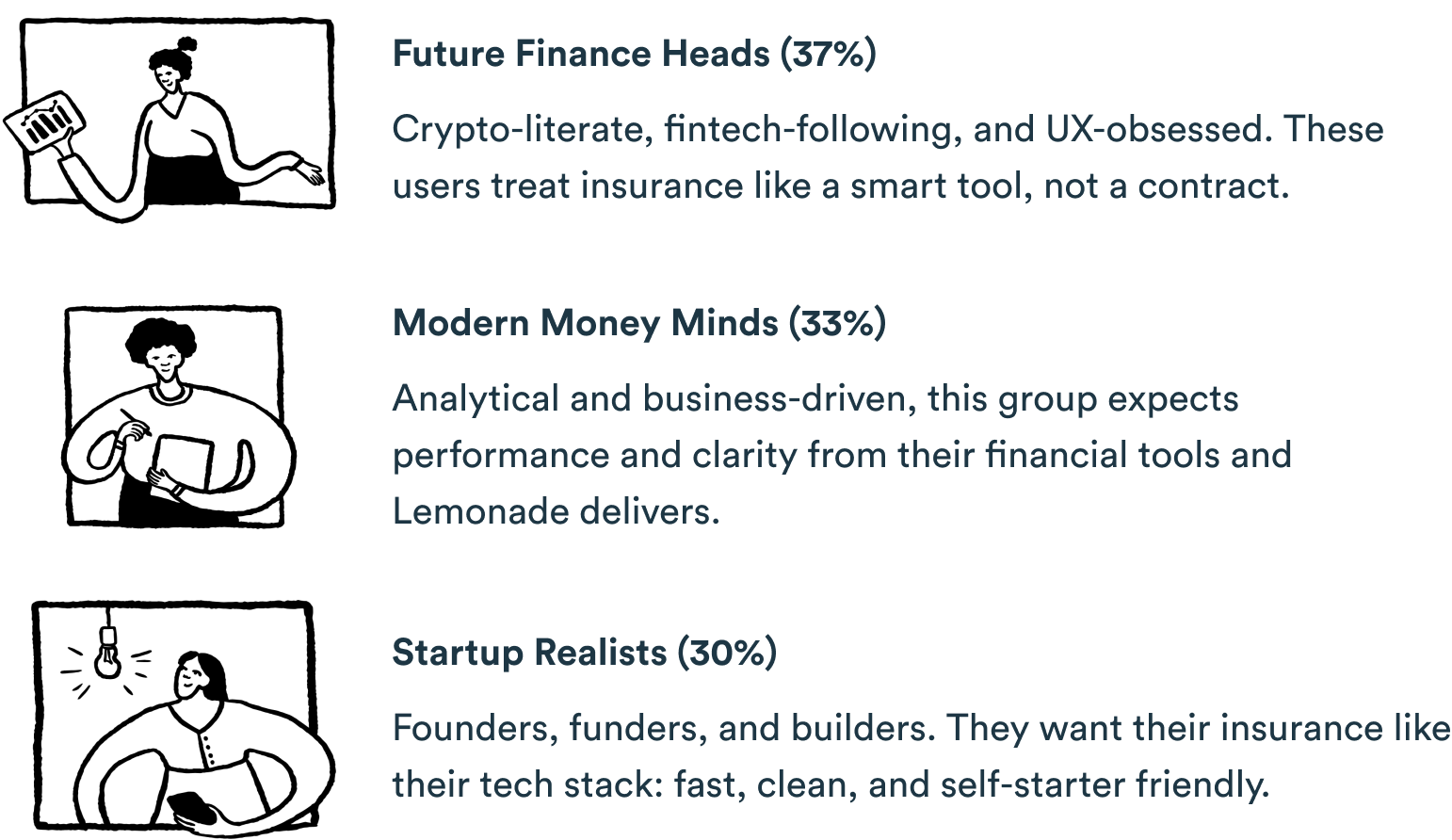
1 We define "audience clusters" as psychographic and behavioral groupings: segments formed by analyzing shared interests, brand affinities, content engagement, and professional signals across the web and social platforms. These clusters reflect not just who the audience is, but how they think, act, and connect.
Demographics Age & Gender
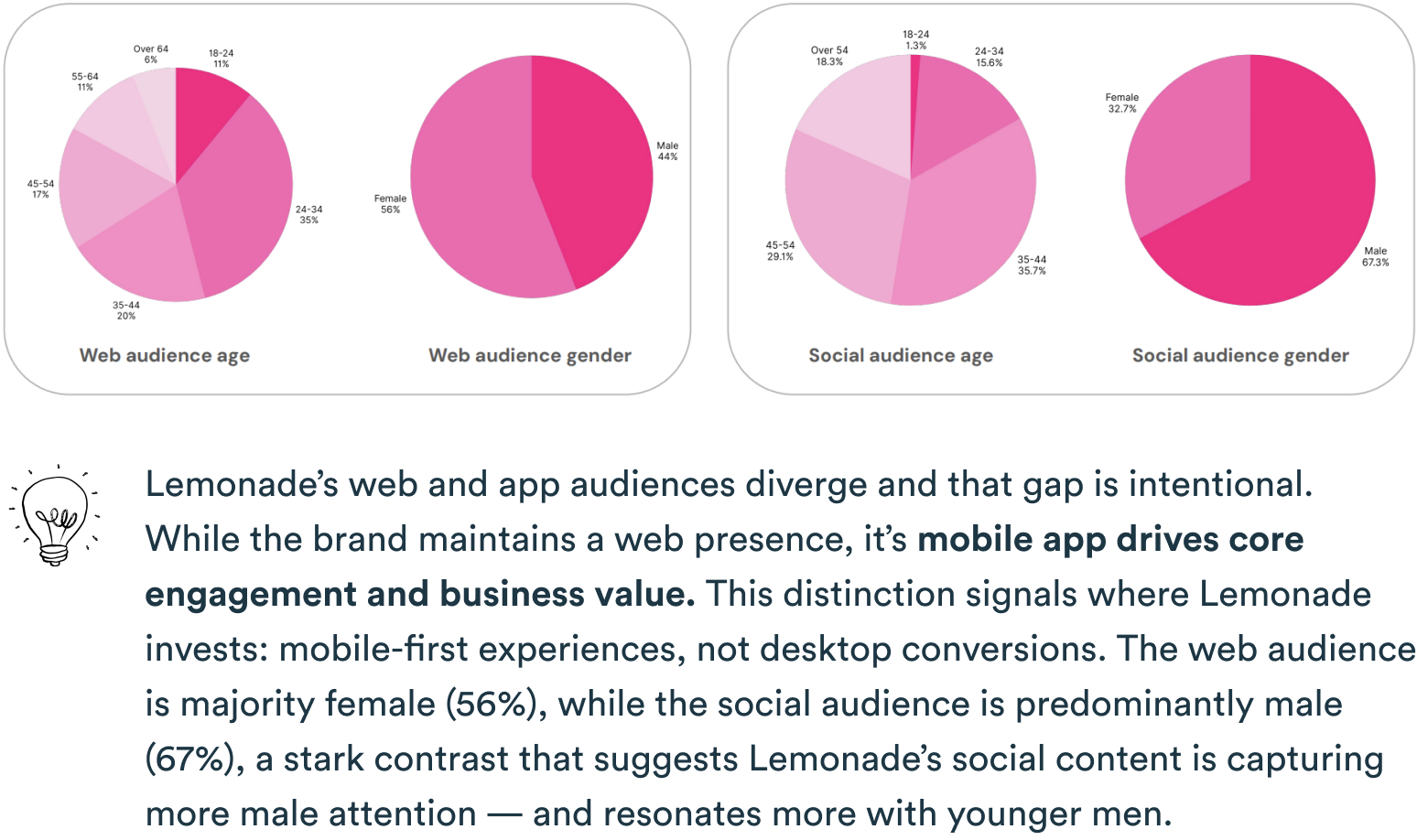
1 Age and gender insights are based on best-in-class third-party analytics tools, reflecting modeled audience estimates as of May 2025. While not tied to platform-reported data, these figures offer a reliable directional view of Lemonade’s web and social reach.
Demographics: Geography
Lemonade’s audience skews heavily toward urban tech hubs like cultural bellwethers where digital adoption, tech fluency, and early brand evangelism thrive.
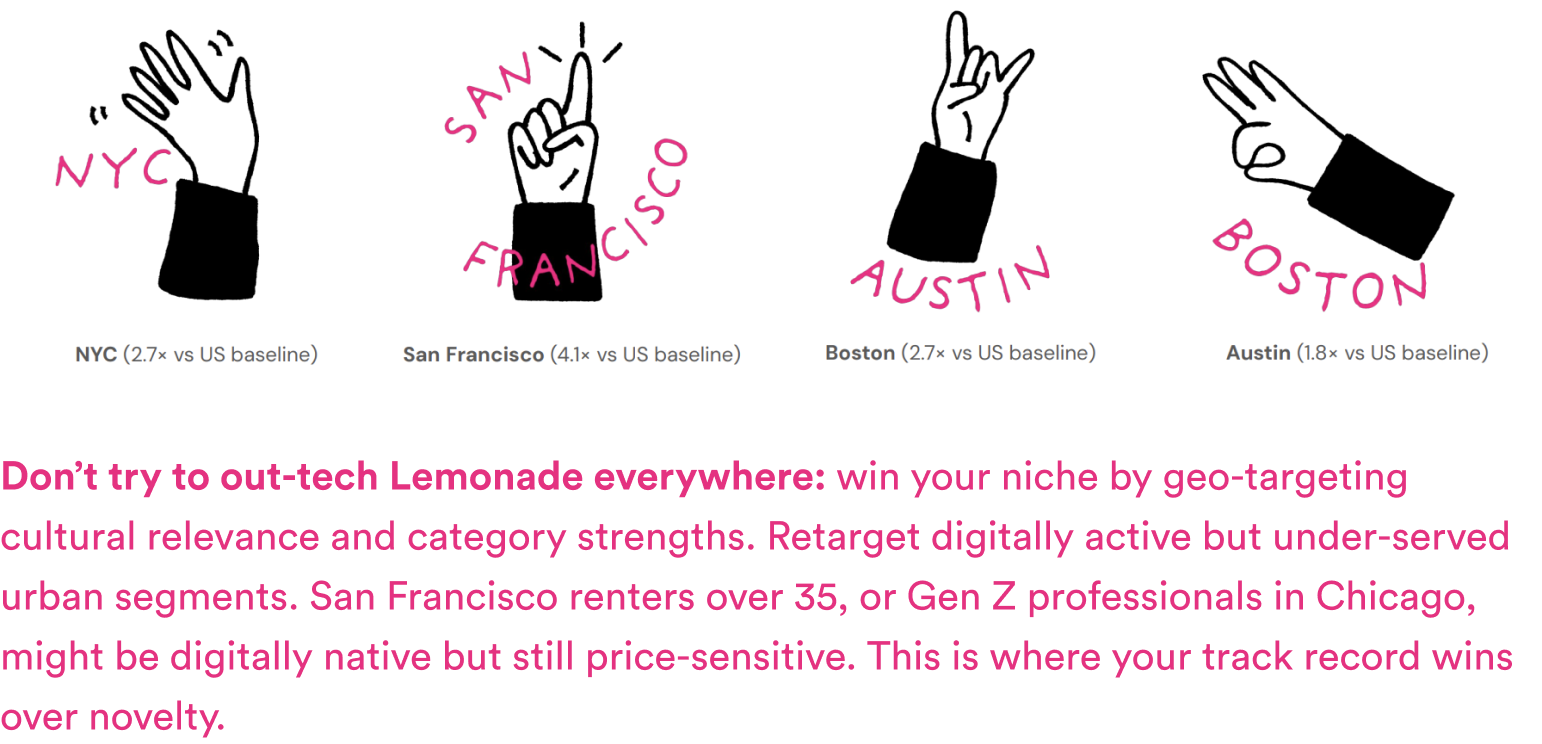
1 Social audience location insights reflect modeled data mapped to Lemonade’s followers across all major social platforms as of May 2025.
Demographics: Interest & Affinities1
Lemonade’s audience over-indexes on interests like:
- Entrepreneurship
- Fintech
- Physics
- Marketing
They have strong alignment with innovation-forward ecosystems . Their top brand affinities include:
- Tesla (10×)
- Coinbase (21×),
- Y Combinator (35×)
- SpaceX (8×)
- TED (7×)
- Google (6.75×)
How Does RightMetric find & deeply understand specific audiences like the ones you are trying to reach?
At RightMetric, we use machine learning and signal-mapping to decode the behaviors and brand affinities that drive action. The result: sharper, custom audience builds ready for benchmarking, targeting, and growth.
Curious how this could reshape your strategy? Let’s talk audiences.
1 Demographic, interest, and brand affinity insights reflect modeled data based on the social behaviors of Lemonade’s audience, collected across major platforms as of May 2025. Machine learning and probabilistic matching techniques were used to generate audience indexes and surface meaningful patterns.
D2C Disruption Playbook
Frictionless by Design
Lemonade reengineered insurance with UX at the core, removing steps, time, and confusion from every customer interaction. Their AI-driven app delivers quotes in 90 seconds and claims in under 6, setting a new industry benchmark for speed, simplicity, and digital experience.
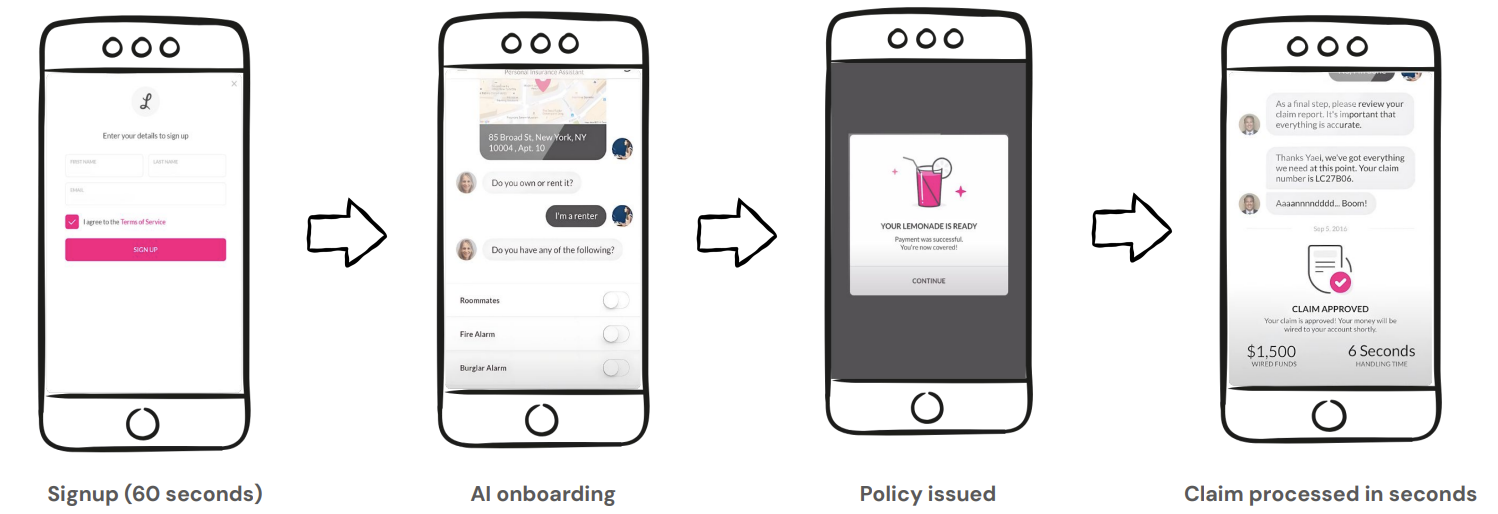
For younger customers, this is an EXPECTATION; and they are your core customers of tomorrow... If you don't start to prioritize reducing friction now, that means a loss tomorrow
By automating tedious steps and using AI (Maya for onboarding, Jim for claims), Lemonade delivers the “instant everything” service digital natives expect, eliminating paperwork and wait times.
Legacy insurers can adapt by embracing automation (chatbots, AI claims processing) to meet rising customer demand for speed and convenience.
Honesty over Hype
In an industry notorious for fine print and mistrust, Lemonade chose radical transparency as a marketing weapon. The company openly shares its highs and lows – even publishing a blog post titled “We suck, sometimes” to spotlight mistakes and customer criticisms.
Its ongoing Transparency Chronicles highlight where Lemonade fell short and how it’s improving, essentially making customers feel like partners in the brand’s journey.
No traditional insurer does this. By owning flaws and inviting dialogue, Lemonade humanizes itself and builds credibility with skeptical consumers. Legacy insurers can learn to embrace transparency and authenticity – admitting faults, sharing metrics, and engaging customers honestly can convert distrust into genuine loyalty

Meeting Customers Before They Mature
Lemonade isn’t waiting until it’s time to renew, it’s starting the conversation at ‘hello’ with Maya.
Instead of treating young adults as pre-customers who’ll mature into insurance buyers someday, Lemonade earns their loyalty now. With 46% of its web traffic under 351 and a presence concentrated in New York and California, Lemonade meets early-stage consumers on their terms, with fast digital onboarding, mission-aligned products, and culturally fluent content.
For legacy insurers, this is a wake-up call: relationship-building can’t start at renewal. It starts with relevance, well before the first policy is even purchased.
1 Web traffic estimates reflect modeled desktop and mobile visit data collected from May 2023 to May 2024. Figures are directional and represent relative growth across brand domains, not exact user counts.

Marketing & Growth Strategy
Brand Voice & Creative Strategy
Lemonade is no longer just an insurance company with a quirky tone; it’s a modern brand that uses absurdity as a competitive advantage. Their recent content isn’t "offbeat for attention"; it’s a strategic rejection of dry insurance tropes. Whether it’s a video of a child CEO answering a red desk phone or a TikTok asking, “what does this content have to do with insurance?” -Much of Lemonade’s organic content is not built to explain products. It’s built to create personality-first brand intimacy

Brand Voice Isnʼt Fluff, Itʼs A Performance Lever
Lemonade’s distinct tone drives retention, trust, and shareability across organic channels.
Lemonade communicates like a friend who’s in on the joke. With blog headlines like “How Lemonade Became a Precocious 5 Year Old” and “What the Hell Does an Actuary Actually Do?,” the brand’s tone is casual, self-aware, and earnestly human. This voice builds connection, not just recognition and that creates stickiness.

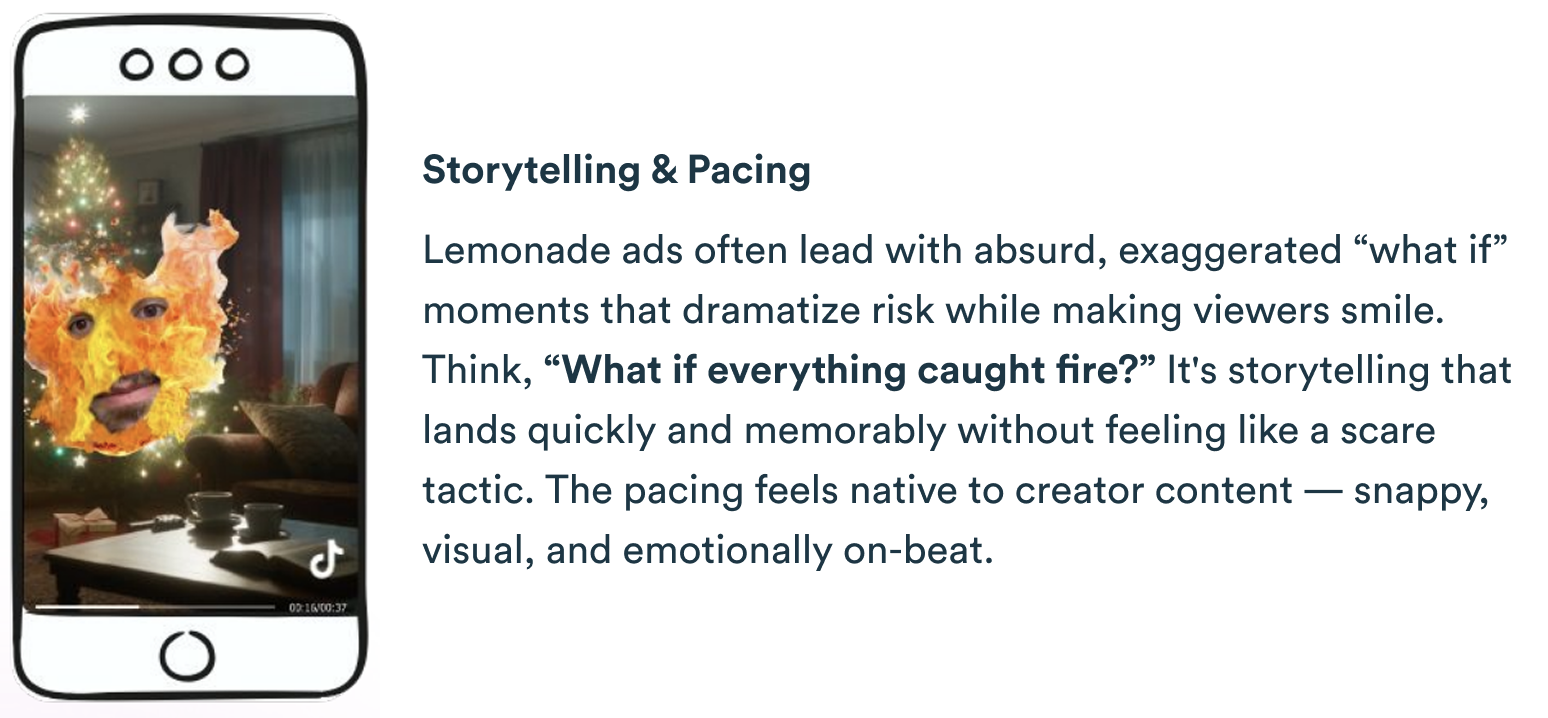
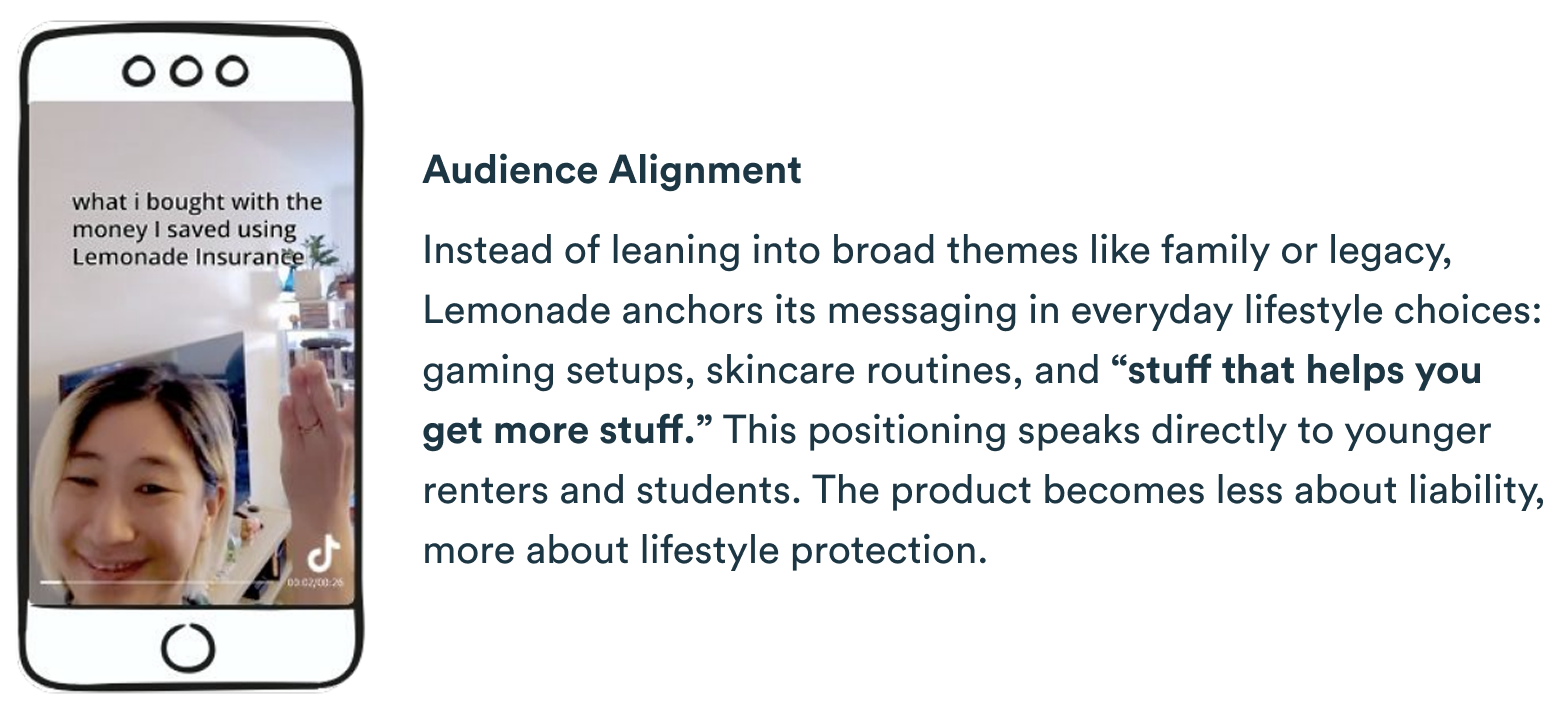
In a category often bogged down by jargon and hidden costs, Lemonade leads with price; clearly, early, and often.
Price gets front-row billing. “$5/month” appears twice within the first seven seconds in many top-performing ads, framed clearly on a mobile screen and reinforced at the CTA. It’s straightforward value communication with zero friction.
Visual Style
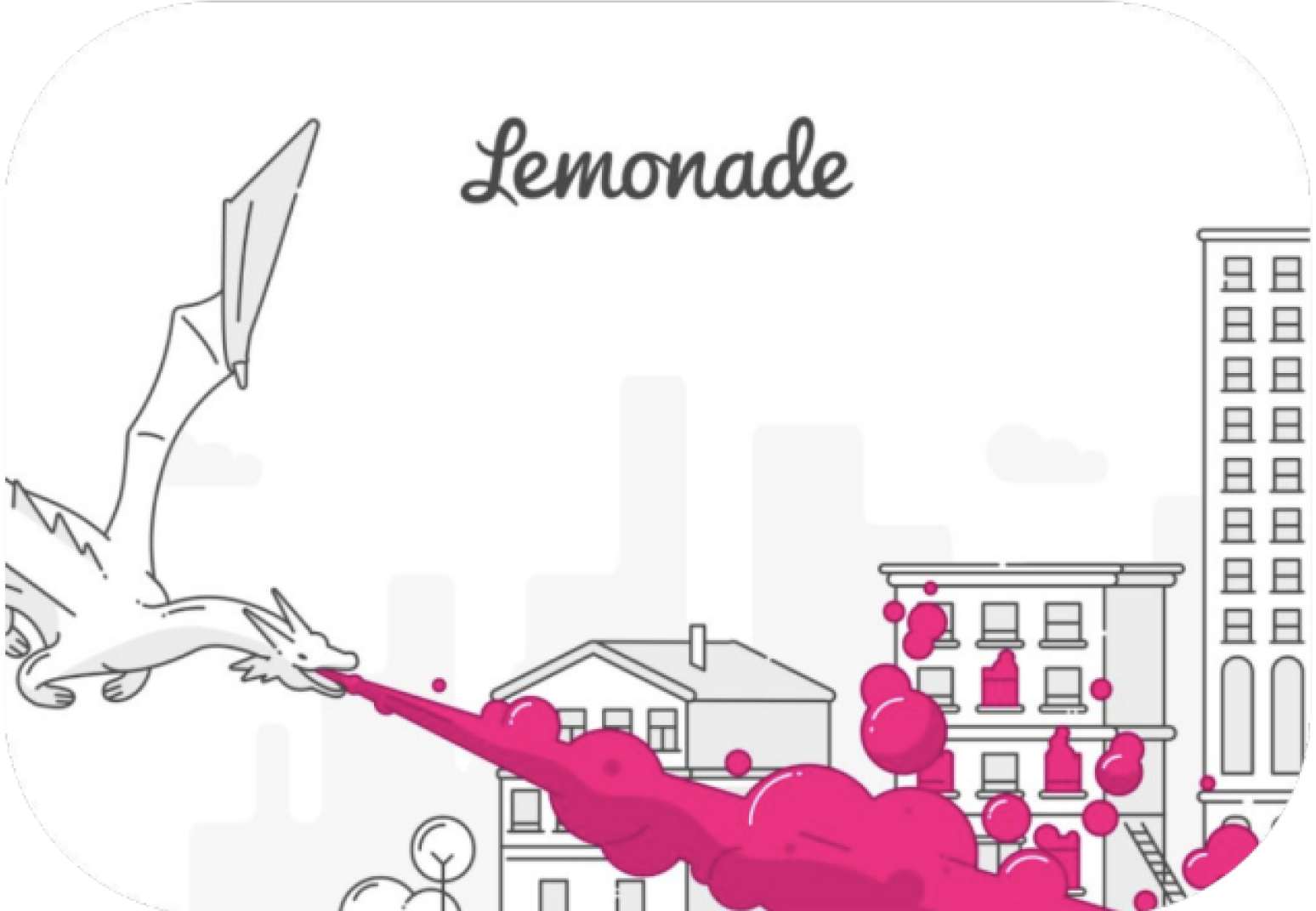
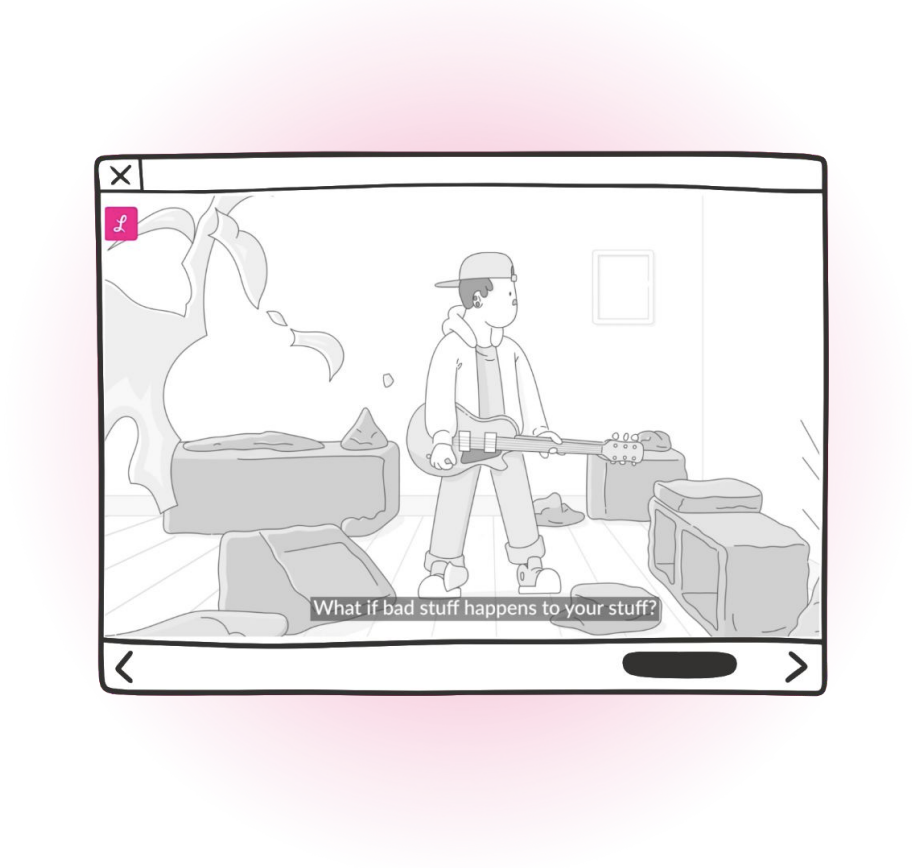
A standout visual strategy is Lemonade’s use of black-and-white animation, with bursts of brand pink to emphasize key messages. In contrast to competitors’ polished footage and earnest testimonials, this aesthetic feels modern, playful, and proudly different—an instant recall device.
Social Virality vs Social Scale
Lemonade’s content is built to be shared, averaging 67 shares per video and outperforming peers like Nationwide (3×) and State Farm (5×)1 . But while it punches above its weight in virality, it lags in follower count; hosting under 10% the social scale of legacy brands on TikTok, Facebook, YouTube, and X.
Why it matters: Shares are a powerful signal of brand trust and cultural relevance, extending reach through personal networks where marketing has real weight. In insurance, that’s gold. But without consistent content or amplification, momentum fades.
What to do: If you’re not earning shares, you’re just renting reach. Prioritize creator-style content built for shareability. Pair it with consistent output, and smart partnerships to turn spikes into momentum.
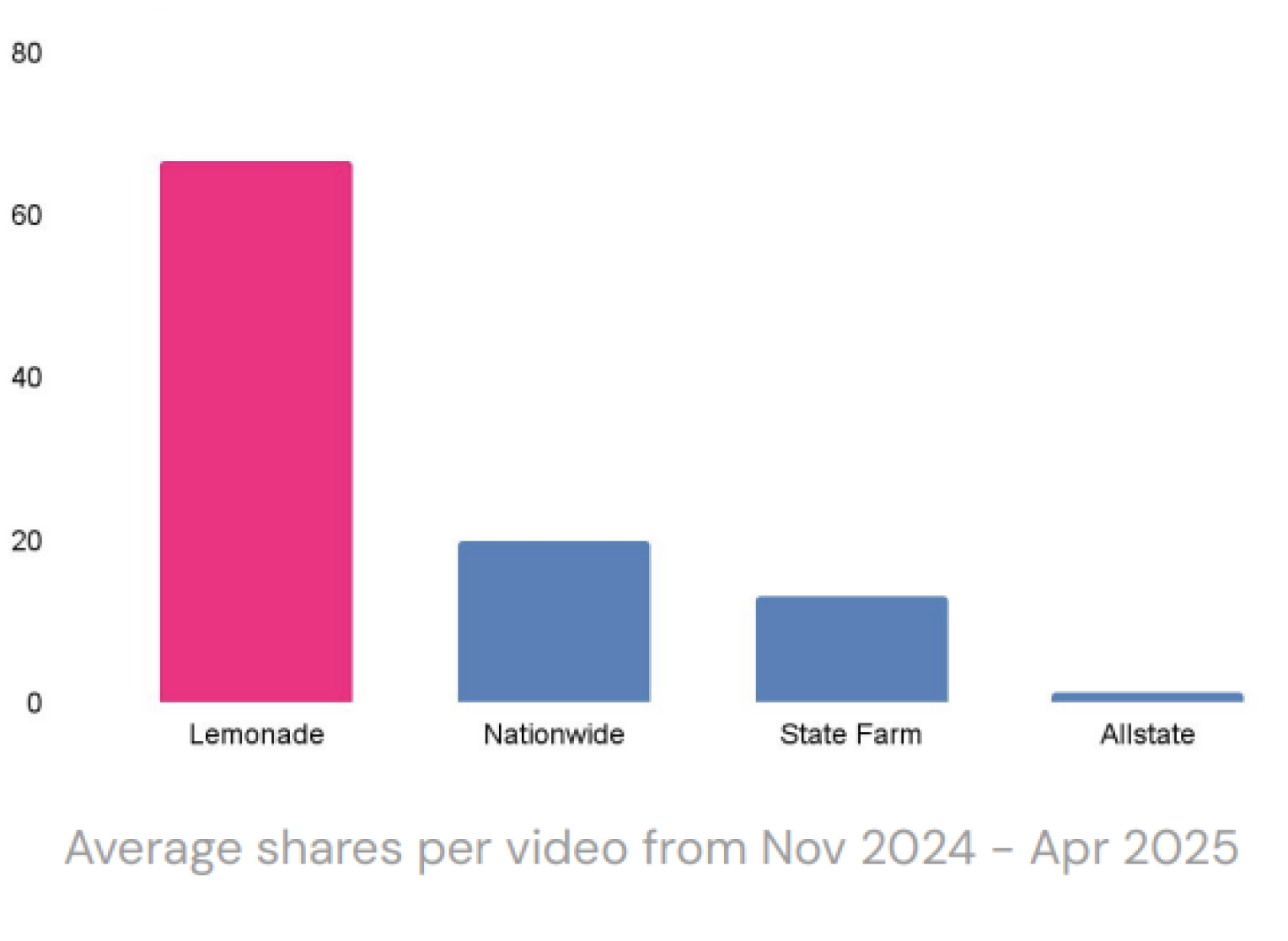
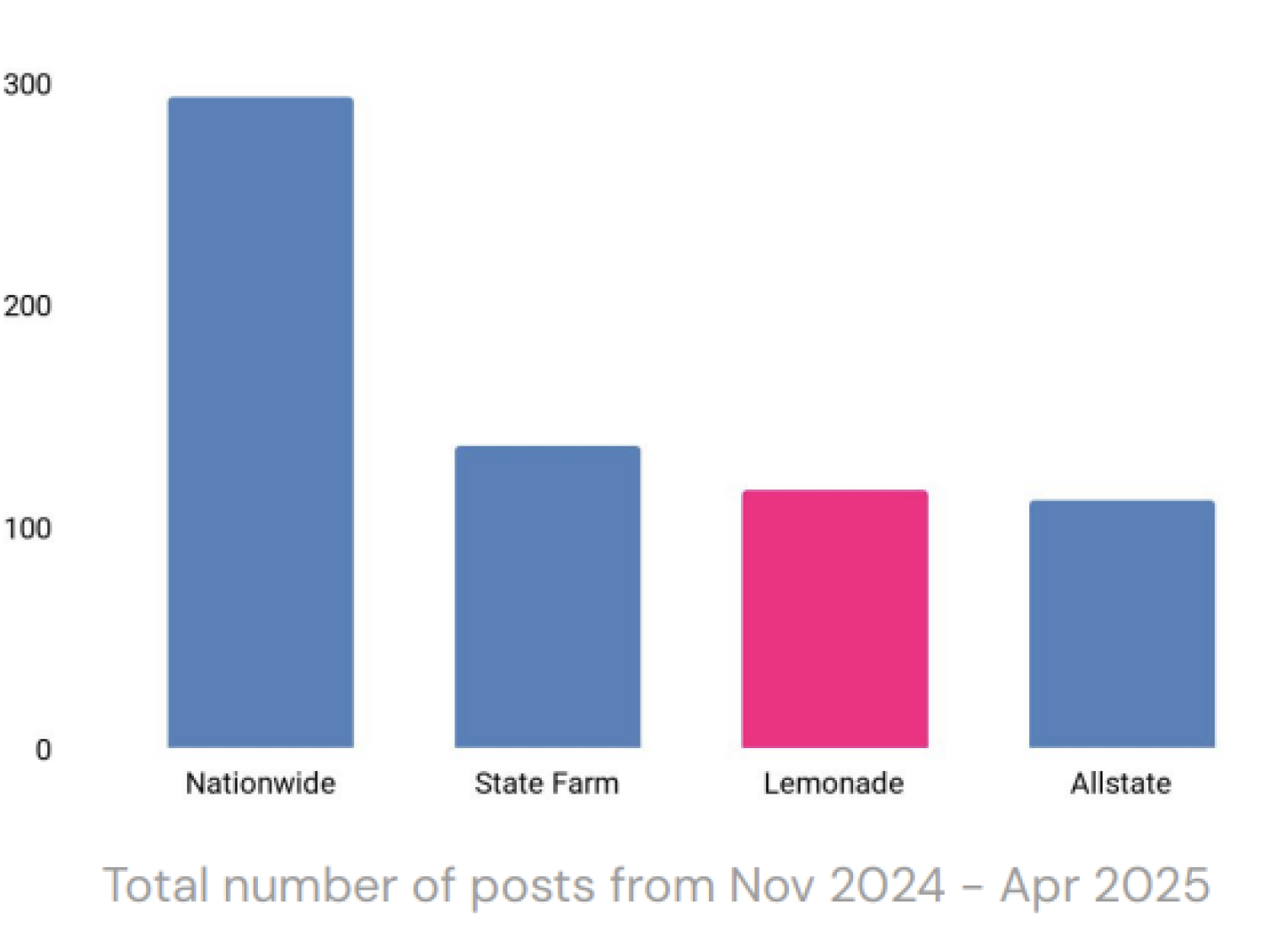
1 Share counts reflect scraped data across TikTok, Facebook, and X (retweets), collected as of May 2025. Platform limitations restrict this metric to these three channels only. Raw video view data for YouTube, Facebook, and TikTok is sourced from Tubular Labs. Instagram video views and analysis are based on proprietary analysis using third-party ad intelligence tools.
Production Insights
- The visuals stay minimal, reinforcing brand identity and cutting through feed noise
- Hooks are front-loaded: prices, scenarios, and claims all show up in the first few seconds
- Cheeky phrases like “and stuff that lets you get more stuff” add humor without diluting the message
- App UX is shown in-action, grounding the promise of ease with a visual proof point
Paid Media Performance
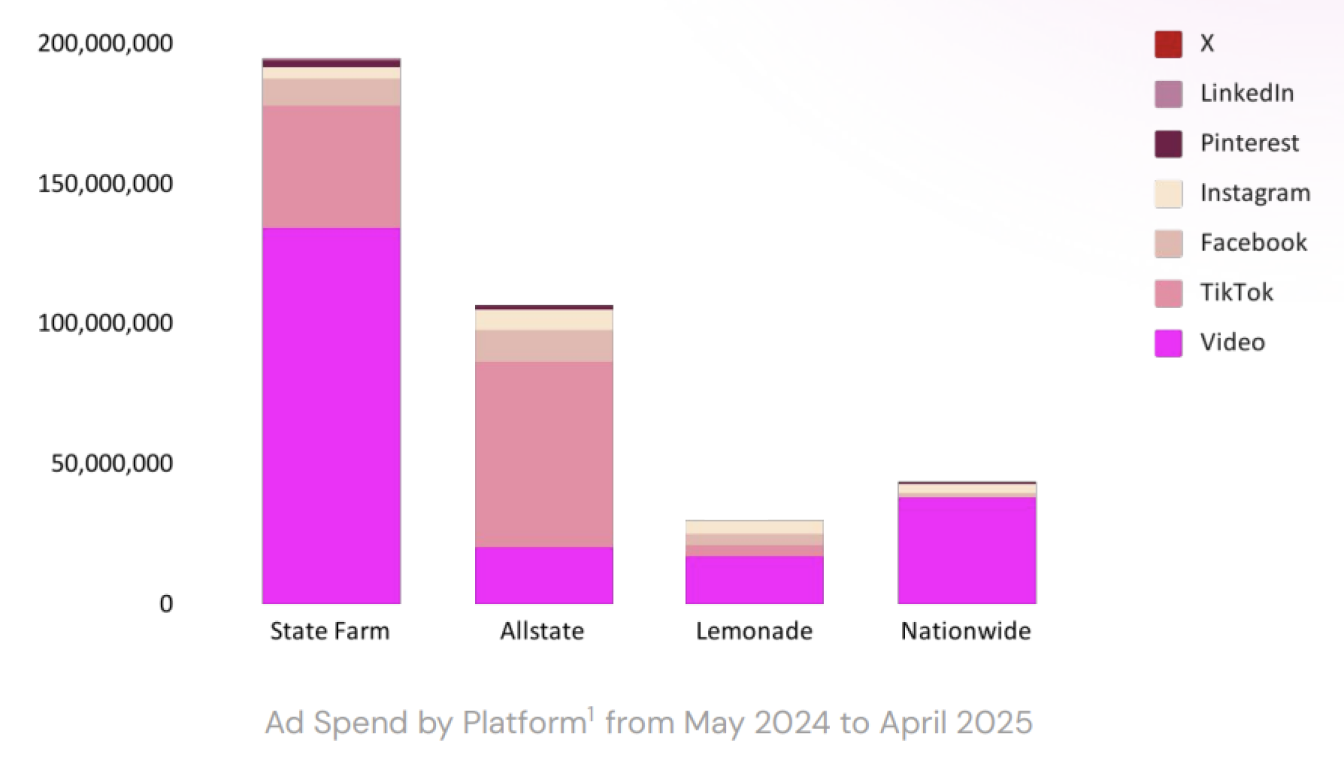
Lemonade delivers outsized results on a fraction of the budget.
Despite spending just one-fifth of what State Farm does, its content strategy consistently maximizes impact per dollar by focusing on storytelling, audience fit, and creative tone, rather than raw reach alone.
The difference is strategy. Lemonade focuses on high-impact, digital-first channels like Instagram and Paid Search, where its mobile-native audience actually lives. But TikTok, despite being a natural fit, remains modestly funded, a missed opportunity in paid media.
While legacy brands spread budgets wide, Lemonade bets on precision, platform-native storytelling, and streamlined creative to maximize impact.
Paid Creativity Efficiency
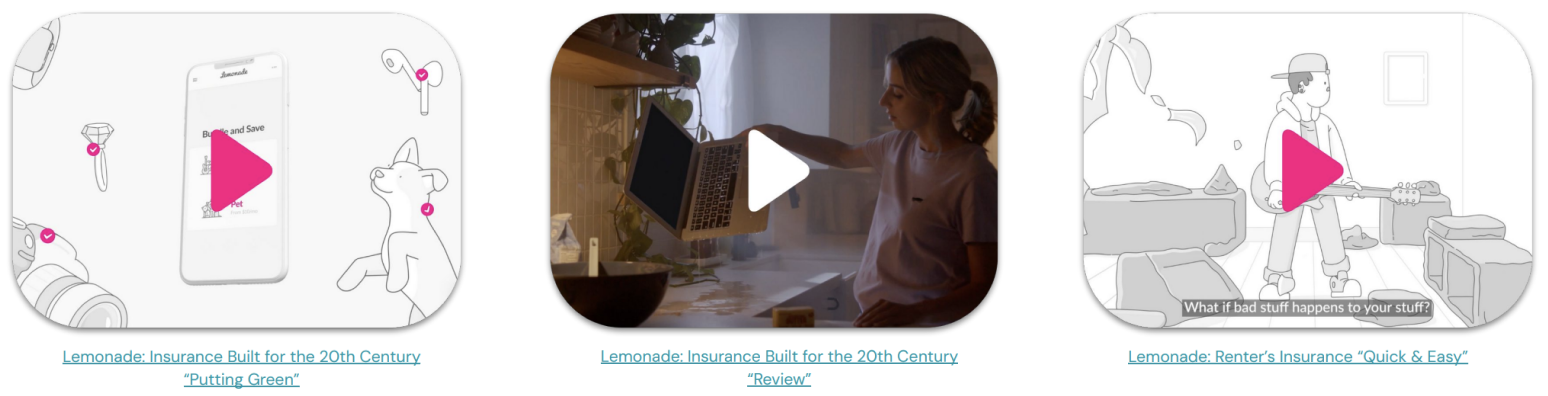
Even Lemonade’s most playful campaigns are powered by sharp strategy. Its top three video creatives drove an estimated 777M impressions on just ~$11.3M in spend—an average CPM of $14.541 . That kind of scale is only possible with precise targeting, distinctive tone, and tight messaging.
Lemonade’s paid media strategy reflects this precision:
- It invests heavily in Paid Search (est. $22.4M), signaling a strategy that prioritizes intent-driven conversions over broad awareness.
- It spends more on Instagram than Facebook, skewing toward younger, mobile-first users who respond to visual storytelling.
- Most insurers overspend where they’re comfortable. Lemonade under-invests where its audience already lives. TikTok is a missed lever, not a mastered one.
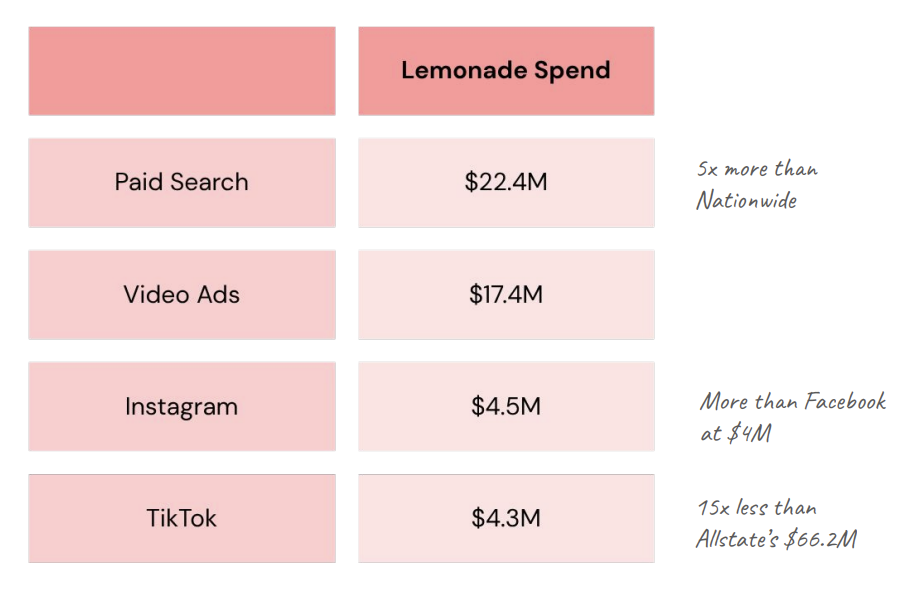
1 Paid media estimates reflect tracked digital ad placements across major platforms from May 2024 to April 2025. Figures are based on third-party intelligence and may not capture all direct or offline spend. Raw video view data for YouTube, Facebook, and TikTok is sourced from Tubular Labs. Instagram video views and analysis are based on proprietary analysis using third-party ad intelligence tools.
Content & White Spaces
Content Themes
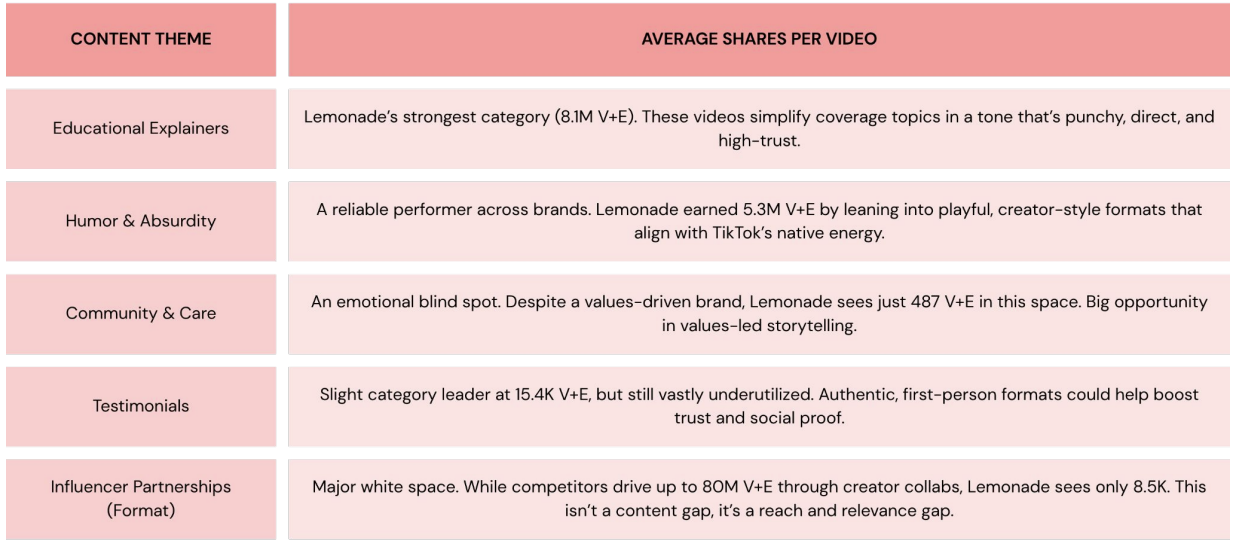
This breakdown provides a benchmark for what content themes actually drive performance across the industry. Whether you're looking to outmaneuver competitors or audit your own strategy, these insights reveal where real brand connection, trust, and shareability are being earned, or missed.
Do you know what content will resonate with your audiences before you make it?We can help you find the hidden content opportunities that are already resonating with your target audience before your competitors do.
What Lemonade isn’t posting, but should
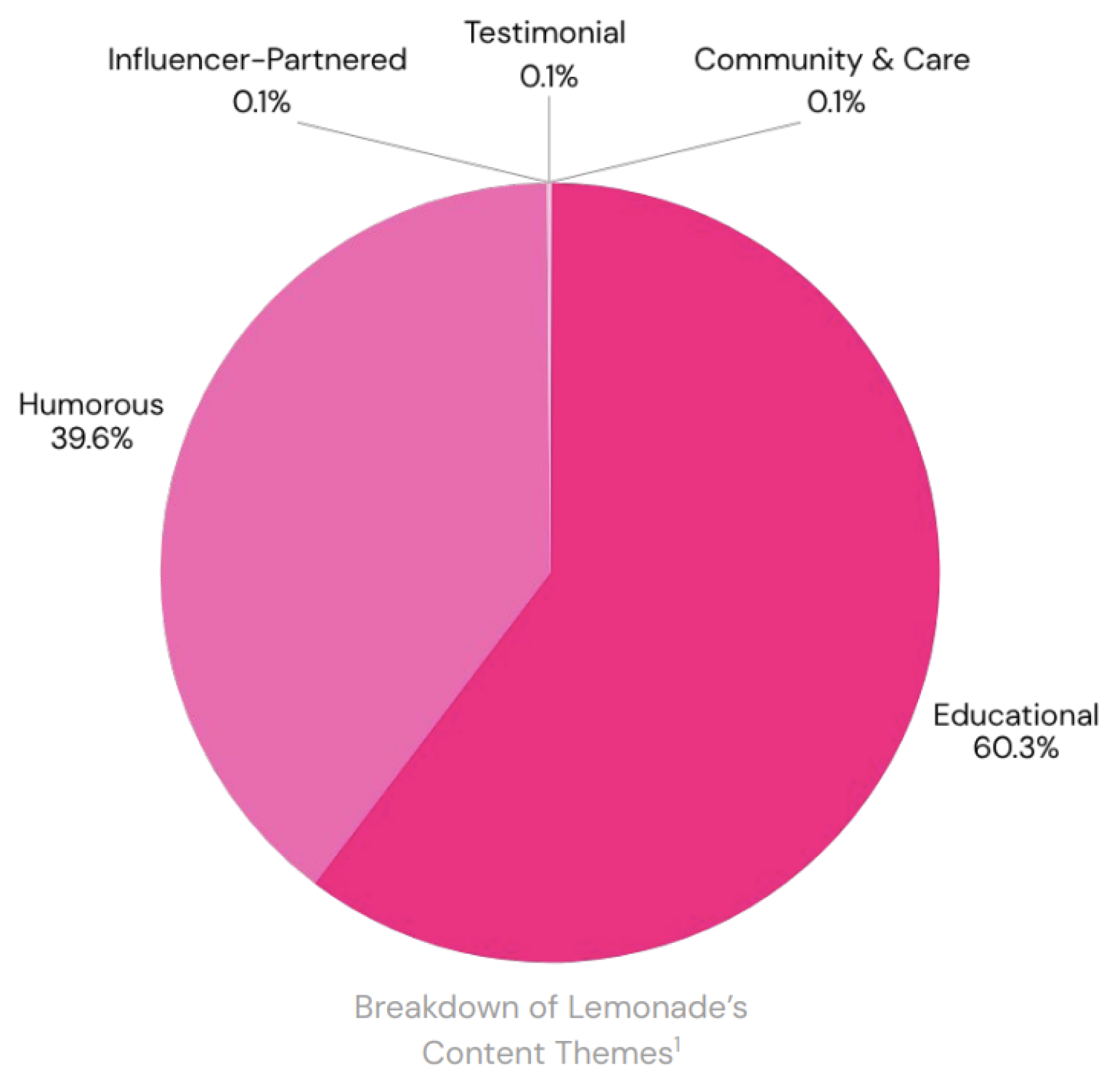
Lemonade shines in education and humor, but under-indexes in emotionally resonant themes and influencer-led distribution. Creator partnerships, testimonials, and community-first content could unlock stronger visibility and trust especially in upper-funnel campaigns.
Influencer and testimonial content make up a tiny fraction of Lemonade’s overall strategy — just 0.1% of total V+E (Views + Engagements) respectively. While themes like education and humor dominate performance, these underutilized formats represent white space. Both categories are proven trust-builders across competitors and could help Lemonade scale reach and credibility if prioritized.
5 Content Arenas That Define The Battle For Attention
We analyzed total video views and engagements across five high-impact content themes; spotlighting how Lemonade performs vs. legacy insurers Nationwide, State Farm, and Allstate.
1. Humor
2. Influencer
3. Community & Care
4. Testimonial
5. Educational
Data reflects total video views and engagements (V+E) by content type, revealing areas where Lemonade either overperforms, underperforms, or has untapped potential
1. Humor Works. But Lemonade Has More Room to Win
All four brands show solid performance in the humor category, but Lemonade is competitive:
- Allstate: 6.6M V+E
- Nationwide: 6.3M
- Lemonade: 5.3M
- State Farm: 376K
Strategic Insight: Humor is a proven driver of attention, but it's often played safe. Lemonade has a clear edge in tone and originality. By leaning further into culturally fluent, platform-native humor (especially on TikTok and Reels), it can increase share of voice and differentiate even more distinctly from traditional insurers.
Your Goal: Double down on humor that feels native to your audience, not just funny, but relatable, remixable, and worth sharing. Prioritize smart, on-trend formats over generic laughs.

2. Influencer Partnerships Are a Missed Opportunity
Nationwide, State Farm, and Allstate each generate 49–80M V+E from influencer-partnered content. Lemonade trails far behind with just 8.5K.
Strategic Insight: While competitors rely heavily on creator-led content to drive reach and engagement, Lemonade has yet to invest meaningfully in this format. Prioritizing influencer partnerships could unlock scalable visibility and cultural relevance—especially on TikTok and Instagram.

3. Community & Care is Underplayed
Nationwide dominates this category with 6M V+E;
Lemonade trails with just 487 V+E. Strategic Insight: For a mission-driven brand built around social impact, Lemonade’s low volume in community-themed content is a missed opportunity. The company’s Giveback program, which donates leftover premiums to nonprofits chosen by customers, is core to its B-Corp identity. Highlighting real-world outcomes, customer stories, and community initiatives could strengthen brand trust and more fully activate its purpose-led positioning.

4. Testimonials Are a Low-Hanging Fruit
All brands post few testimonials, but Lemonade leads slightly (15.4K V+E).
Strategic Insight: First-person, authentic content, especially in vertical video, is underutilized. Leaning into testimonial-style posts could boost credibility and engagement across channels.

5. Lemonade Leans on Education And Wins Big
Lemonade drove 8.1M views + engagements through educational content; 86× more than State Farm (94K) and just behind Allstate (10.4M), despite being a newer, far smaller player. This performance supports Lemonade’s trust-building, direct-to-consumer strategy, positioning it as the educator in a traditionally opaque industry.
Strategic Insight: Educational content is Lemonade’s strongest lever. But the category isn’t locked. Short-form, entertaining, cross-platform explainers are still underused by legacy players, offering a clear opportunity to chip away at Lemonade’s edge.

1 We analyzed thousands of social video posts from Lemonade and its top legacy peers across major platforms. Each video was categorized into one of five core content themes. We then ranked those themes by average views and engagements (V+E) to surface what truly resonates, not just what gets published. Analysis reflects data as of May 2025. Raw video view data for YouTube, Facebook, and TikTok is sourced from Tubular Labs. Instagram video views and analysis
Top Performing Digital Ads
Despite spending less, Lemonade’s top three campaigns still compete on impressions: just under 800M impressions for ~$11M in total spend. In contrast, State Farm, Allstate, and Nationwide spend significantly more with only marginal CPM advantages. This reinforces Lemonade’s edge: high-impact, low-waste storytelling that cuts through.
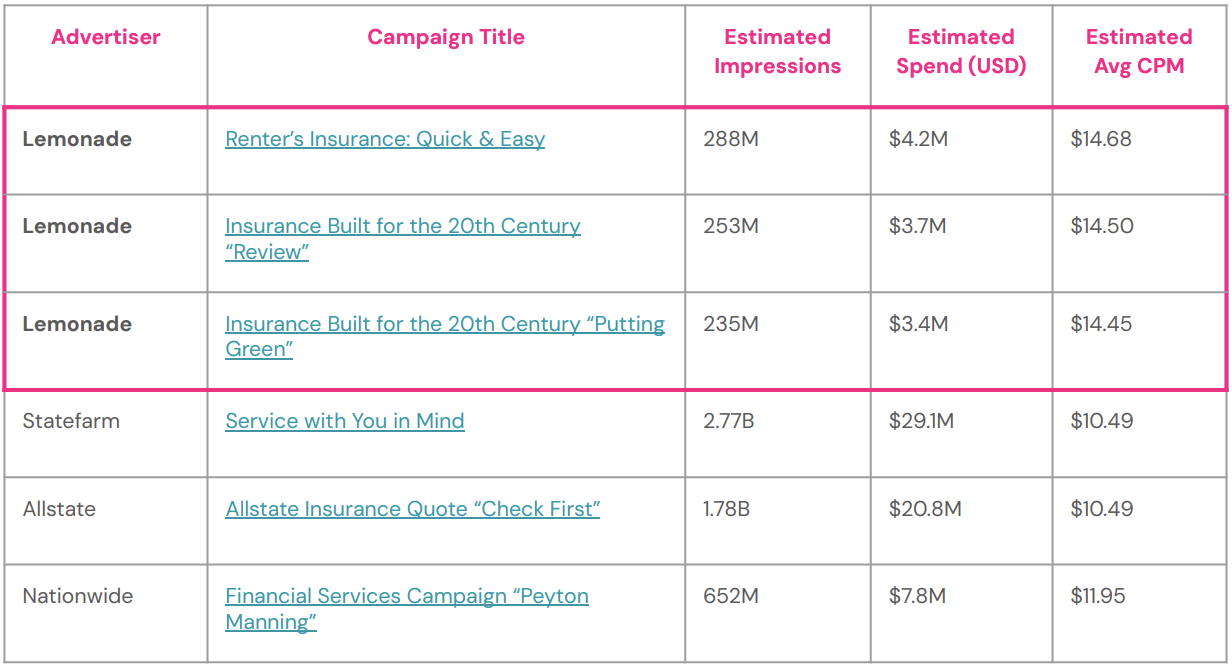
1 Campaign data reflects estimated impressions, spend, and CPMs across major digital platforms between April 2024 and May 2025. Data is modeled from third-party tracking sources and should be viewed as directional due to potential variations in platform-specific reporting and sampling methodologies.
Platform Benchmarks
Lemonade’s U.S. audience1 isn’t just younger, it’s sharper, more digitally immersed, and culturally aligned with disruption.
Platform Behavior:
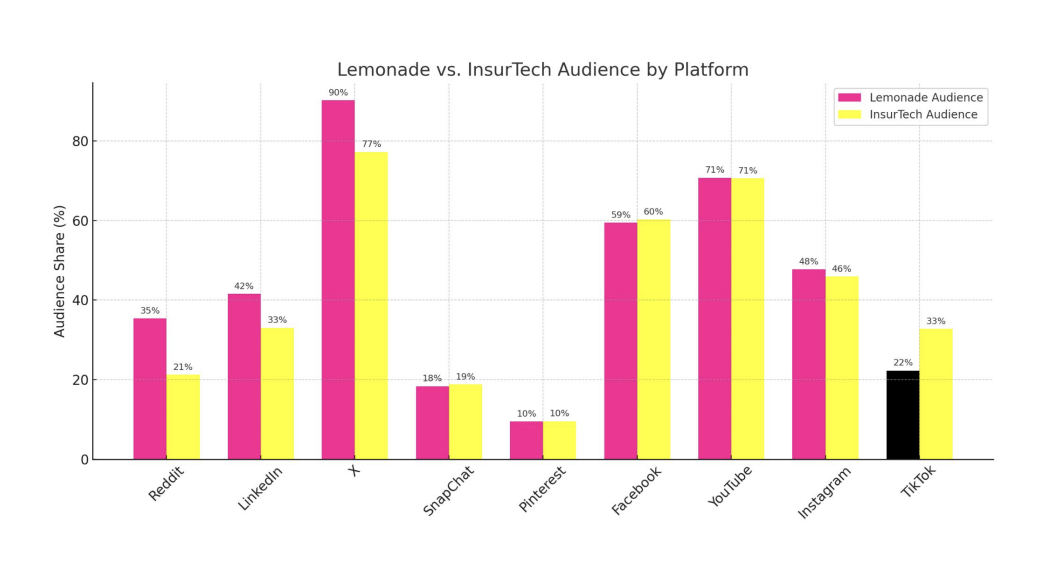
- X.com (formerly Twitter) is their most-used platform (90.2%)
- Reddit is 2× more popular among Lemonade users vs. U.S. averages
- Strong presence on LinkedIn; under-indexed on Instagram and TikTok indicating opportunity on visual-first platforms
To reach this audience, FS (Financial Services) & insurance brands must reallocate organic and paid content away from overly polished broadcast-style marketing and toward communities and conversations where users are seeking transparency, product literacy, and modern values. Reddit, X, and LinkedIn aren’t just channels; they’re trust accelerators.
1 RightMetric built this profile using a 10,000-person sample from StatSocial.
TikTok Is a Missed Opportunity
- InsurTech Audience on TikTok: 32.8%
- Lemonade Audience on TikTok: 22.9%
- Under-indexing: 1.5× lower
Insight: Lemonade trails its category on TikTok, a key platform for reaching younger, visually fluent, trend-sensitive users. This gap suggests a clear opportunity to invest in creator-led, vertical-first formats that match Gen Z’s content habits.
Reddit & LinkedIn Are Strategic Strengths
- Reddit Usage: 35.4% (Lemonade) vs 21.24% (InsurTech) - a 1.66× multiplier.
- LinkedIn Usage: 41.5% (Lemonade) vs 32.98% (InsurTech) - a 1.25× multiplier.
Insight: Lemonade over-indexes on Reddit and LinkedIn, platforms popular among tech workers, early adopters, and VC-minded professionals. Their strategy resonates with a sharper, more discerning digital audience, one that values relevance, intellect, and transparency.
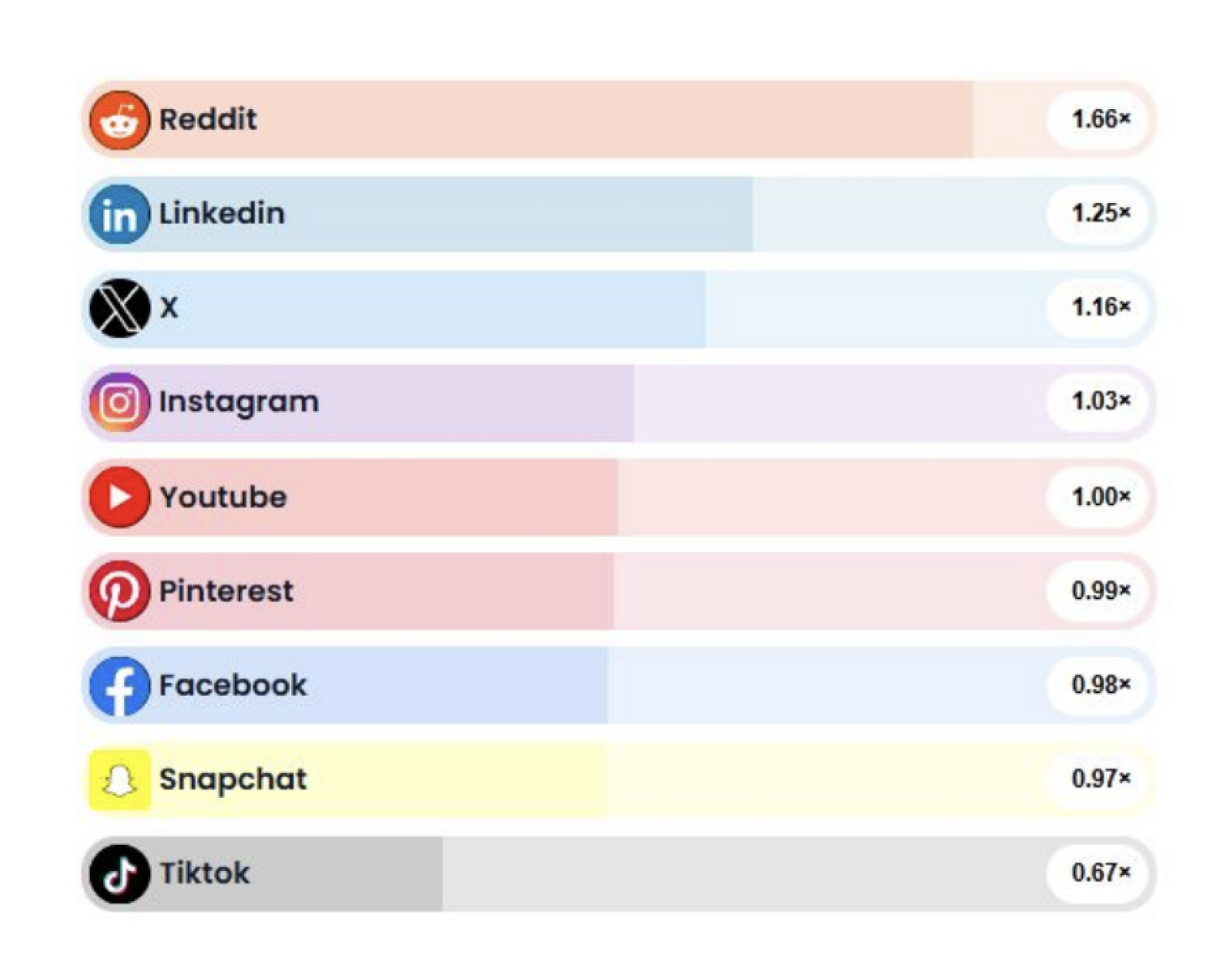
Estimates are based on modeled audience behavior data collected as of May 2025. Platform usage figures reflect indexed affinities within Lemonade’s social audience compared to the broader InsurTech category. Multiplier values represent how much more (or less) likely Lemonade’s audience is to use a given platform relative to the category average. Raw video view data for YouTube, Facebook, and TikTok is sourced from Tubular Labs. Instagram video views and analysis are based on proprietary analysis using third-party ad intelligence tools.
Traffic and UX Signals
Great creative means nothing if the click leads nowhere. Lemonade delivers on its digital promise with a mobile-first site that’s as breezy and frictionless as its ads. This is where creative strategy meets conversion strategy and it’s working.
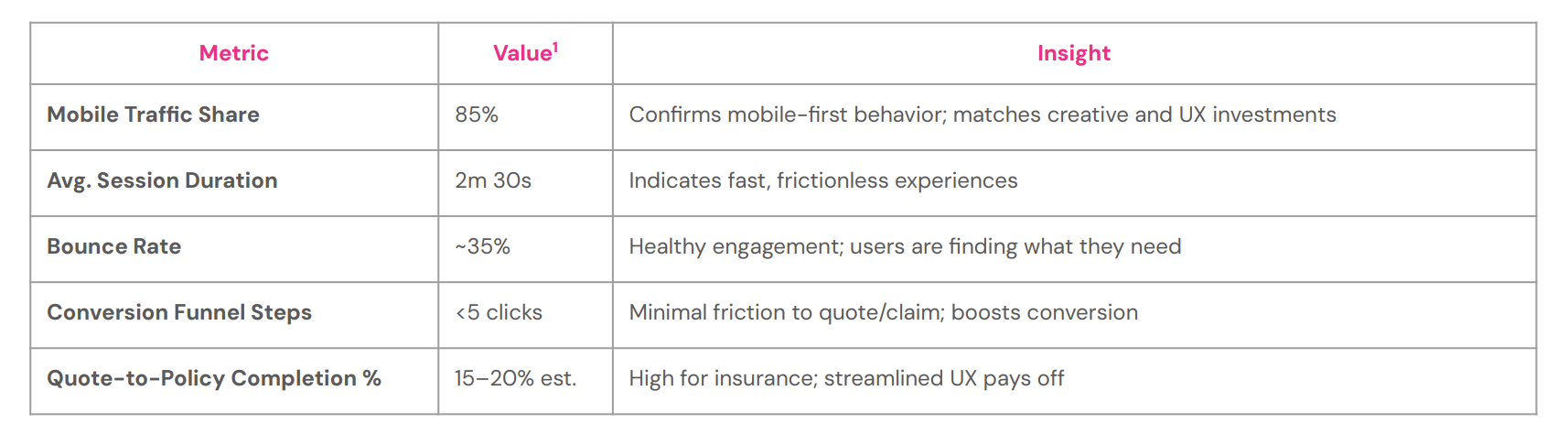
Lemonade’s digital experience is usable and persuasive. The site guides users from ad to quote in under five clicks. Pricing is upfront. Pages are snackable. And call-to-actions are planted where they matter. It’s like someone finally remembered insurance doesn’t have to be an obstacle course.
Traffic sources that shape the funnel
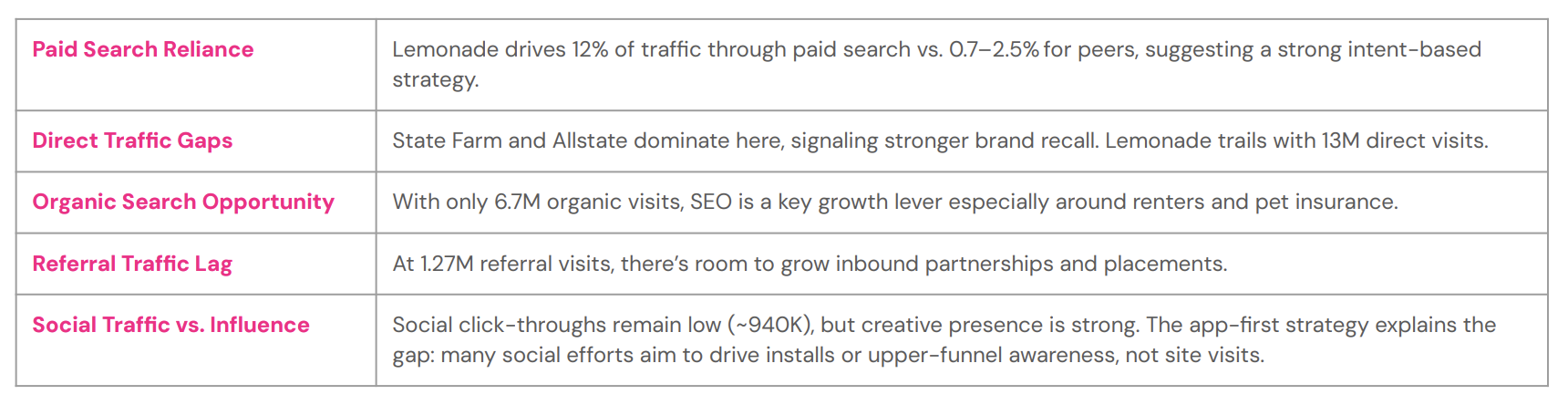
The broader picture shows that Lemonade isn’t trying to turn its site into a central hub. It’s designing for app-first interactions, where post-install experiences matter more than homepage dwell time
1 Performance metrics reflect modeled website behavior data collected as of May 2025. Values are estimates based on aggregated digital activity across mobile and desktop devices. Funnel completion percentages are directional and should be interpreted as indicative, not absolute.
Growth vs Gravity
Lemonade’s total visits grew 41% year-over-year1 , from 17.3M to 24.5M, while brands like State Farm and Nationwide saw flat or declining traffic. Allstate? Barely moved the needle. This signals more than growth. It’s traction. Lemonade is pulling in newer segments and possibly expanding its reach through high-performing creative and performance media. That said, the brand still has a long way to climb. With just a tenth of Allstate’s web footprint, it needs to be surgical, investing in content and channels that deliver outsized ROI per click.
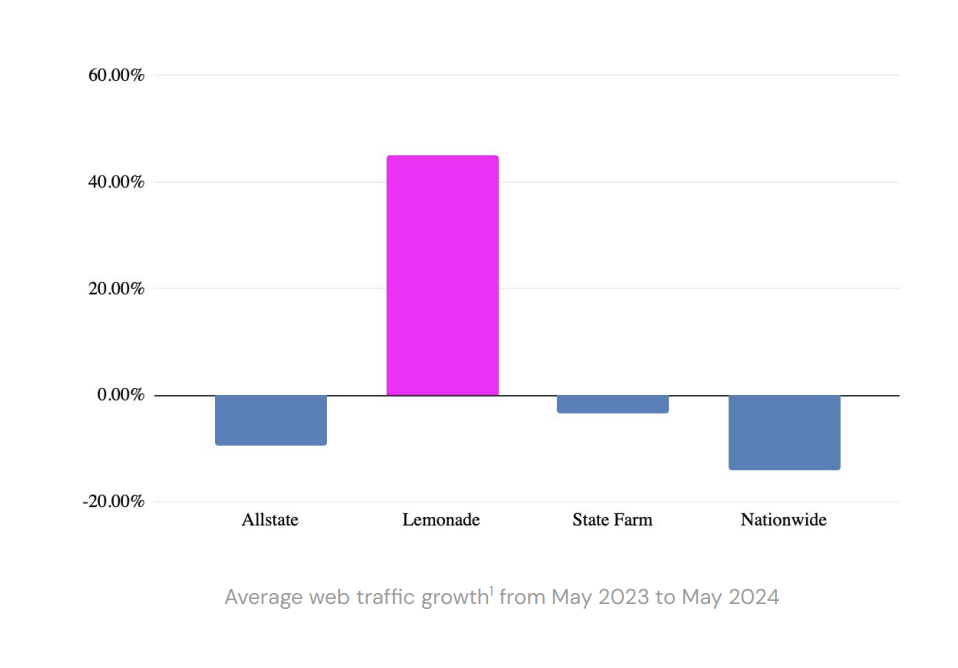
1 Web traffic estimates reflect modeled desktop and mobile visit data collected from May 2023 to May 2024. Figures are directional and represent relative growth across brand domains, not exact user counts
What legacy brands can steal
Legacy brands looking to modernize don’t need a full reinvention but they do need a mindset shift. The smartest ones are already taking cues from disruptors like Lemonade. They’re embracing transparency as a core strategy, not a last-ditch PR move. They’re building their purpose into the product itself, not just talking about it on a ‘Mission’ page.
They’re shedding the suit-and-tie speak, opting for a tone that actually resonates with real people, not just actuaries and underwriters. They’re experimenting with embedded partnerships in spaces where trust and timing matter most, think pet apps, smart homes, or even real estate platforms. And instead of leaning on fear, they’re investing in creative absurdity because in today’s attention economy, humor travels farther than scare tactics.

To win this modern segment, legacy messaging must evolve
Lemonade’s audience1 is:
- 10× more likely to follow Tesla
- 35× more likely to follow Y Combinator
- 21× more likely to follow Coinbase
- 5.1× more likely to engage with marketing thought leadership
These folks are digital-first, mission-driven, and allergic to anything that smells like legacy. Traditional coverage and pricing messages won’t resonate unless paired with these modern expectations.
Lemonade’s audience isn’t just “their” audience, it’s the audience of today’s modern disruptive brands. The mindset, media habits, and expectations of these consumers are shaping the future of insurance marketing
1 Audience insights are based on social affinity data modeled from large-scale digital behavior patterns. Values are directional, not absolute, and best used to understand relative interest and clustering trends
When comparing Lemonade’s audience to the broader U.S. InsurTech-interested clusters, we see striking contrasts:
- Elite/Tech-Forward: Lemonade attracts startup-savvy, VC-following digital finance minds. This deepens their niche positioning but limits their reach into more mainstream audiences
- Everyday Earners: Broader InsurTech audiences include brand-loyal, risk-conscious segments that Lemonade doesn’t fully capture yet
- Platform Skew: Lemonade over-indexes on Reddit and LinkedIn, under-indexes on TikTok and Instagram suggesting a channel gap when it comes to reaching the visual-first or less tech-savvy audiences
- Institutional Trust: InsurTech audiences outside Lemonade still show strong engagement with institutions like CDC and FEMA. This indicates a lane for legacy brands to reinforce authority while disruptors catch up on credibility
- Audience Tension: There’s a duality in play, Innovation Chasers vs. Risk-Aware Realists. Smart segmentation and creative tone shifts could help legacy players speak to both.
1 Audience segmentation is based on modeled social affinity and behavioral data from U.S. adults with demonstrated interest in InsurTech brands. Cluster definitions reflect shared traits, platform usage patterns, and digital behaviors, not formal demographics.
Final Takeaways
1. Insurance as Product UX: Lemonade reimagines the insurance process as a native mobile experience. Quotes take 90 seconds. Claims resolve in as little as three. AI tools like Maya and Jim guide the journey from signup to payout, removing friction at every step.
2. First-Time Buyers, First-Time Brand: Nearly half of Lemonade’s audience is under 35, and 87% are first-time insurance customers1 . Growth comes from meeting users in transitional moments, like renting their first apartment or adopting a pet.
3. Purpose Embedded in the Model: The Giveback program redirects unclaimed premiums to charities. Combined with a flat-fee structure, this approach makes values-driven design a functional part of the product, creating a built-in trust mechanism for mission-aligned users.
4. Virality by Design: Lemonade content travels well. With an average of 67 shares per video, the brand leads in organic amplification. It’s blend of humor, timing, and visual simplicity makes it memorable, scroll-stopping, and easy to pass along.
5. Efficient Growth Through Precision: With $11.3 million in spend across just three videos, Lemonade drove 777 million impressions at a CPM of $14.54. It’s not the cheapest, but it’s intentional. Instead of spreading thin, Lemonade invests where standout creative and sharp targeting go further, platforms that amplify relevance, spark engagement, and reward storytelling that lands.
6. Underused Channels Still Hold Potential: Lemonade’s presence on TikTok and through influencer formats remains small. Legacy competitors invest heavily here, pointing to a clear, actionable gap especially for reaching visual-first or creator-aligned audiences.
7. A More Discerning Audience: The Lemonade audience skews sharp. They cluster around fintech, entrepreneurship, and platforms like Reddit and LinkedIn. These aren’t just young users, they’re informed, experimental, and drawn to brands that think like they do.
The future isn’t just digital. The future is direct. Winning the next generation of policyholders won’t be about better ads; it’ll be about building experiences that think like they do.
1 Lemonade Inc. - Hey Investors, Welcome Home!. Lemonade. (n.d.). https://www.lemonade.com/investor
Want to dive deeper?
The insights in this report are just the beginning. We can help you:
- Refine your digital audience strategy: Go beyond demos and into psychographics. Understand how segments like crypto-savvy millennials, startup operators, or values-led consumers engage and how to meet them where they scroll, not just where they search.
- Uncover whitespace in the market: Identify underleveraged content themes, platforms, or influencer formats that your competitors haven’t tapped yet. From testimonials to TikTok collabs, we help you spot what’s missing then fill the gap first.
- Turn content into conversion drivers: Elevate your storytelling with the precision of performance media. We help you build campaigns that drive shares, trust, and action without sacrificing brand or budget.
- Optimize platform strategy for Gen Z & beyond: Ditch default media plans. We help you prioritize high-attention, low-CAC platforms like Reddit, Instagram, and emerging creator spaces—tailored to how younger buyers actually behave.
Or, tell us what you’re solving for. Whether it’s outperforming incumbents or growing a DTC brand from the ground up, we’re here to build insight-backed strategies that actually move the needle.
RightMetric is your strategic insights partner.
Book a chat with our team.
APPENDIX
Our Data Sources.
We’ve partnered with 25+ of the world’s best marketing data sources, some of which are shown to the right.
Why this matters:
To accurately identify and understand trends, we need holistic data sources that cover all relevant channels on the internet.
Observation isn’t enough to come to robust conclusions. Empirical data must be part of the process.
For a deeper dive into our source data—which underpins the findings of this report— check out RightMetric’s “Our Data” page.
Complimentary Strategy Session
Take the next step in your market planning. Request your free strategy session today.
Book Your Session →
Is the #1 on-demand audience & competitor research service for marketing strategists.
Learn about RESEARCH-ON-DEMAND →